
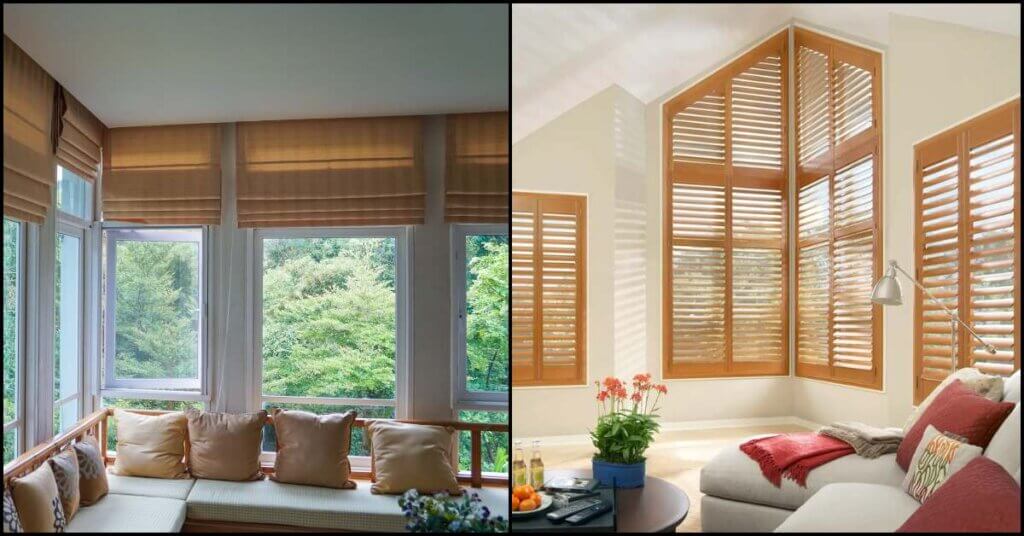
Choosing between shutters vs. shades often comes down to how you want your space to feel and function. Shutters offer structure, durability, and long-term value, while shades provide softness, flexibility, and a wide range of light-filtering options. The right choice depends on your priorities—privacy, light control, insulation, and overall interior design.
Understanding the Difference Between Shutters and Shades
When comparing shutters vs. shades, it helps to look at how each option works:
Shutters
- Built with solid frames and adjustable louver panels
- Commonly made from wood or composite materials
- Installed as a permanent part of your window
Shades
- Made from soft fabric materials
- Operate by rolling, folding, or stacking
- Available in styles like cellular, roman, and roller
Both are excellent window treatments, but they deliver very different experiences in your home.
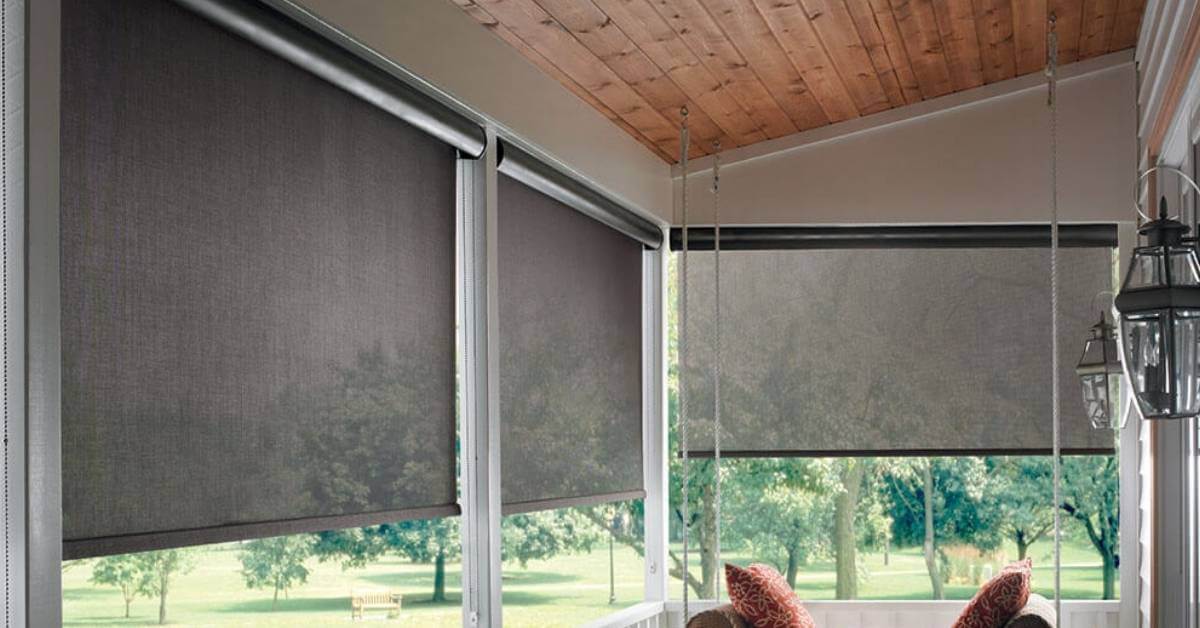
Light Control and Privacy
One of the most common concerns homeowners have is managing harsh sunlight while maintaining privacy.
How Shutters Perform
- Adjustable louvers allow precise light control
- Provide consistent privacy even when partially open
- Ideal for street-facing rooms or large windows
How Shades Perform
- Offer options like light filtering or blackout fabrics
- Great for bedrooms, nurseries, or media rooms
- Less precise than shutters but more versatile
Takeaway: If you’re dealing with intense glare or want exact control throughout the day, shutters are more structured. Shades offer more flexibility depending on fabric choice.
Style and Aesthetic Appeal
Your window coverings should complement your home’s overall design and decor.
Shutters for Timeless Style
- Clean lines and architectural presence
- Popular in plantation style homes
- Enhance resale value due to their built-in look
Shades for Soft Design
- Wide variety of colors, textures, and patterns
- Blend seamlessly into modern or minimalist interiors
- Add warmth through layered fabric finishes
Quick Comparison Table
Feature | Shutters | Shades |
Look | Structured, bold | Soft, versatile |
Materials | Wood, composite | Fabric |
Best For | Classic interiors | Modern or layered designs |
Energy Efficiency and Insulation
Temperature fluctuations and rising energy costs can make the wrong choice noticeable over time.
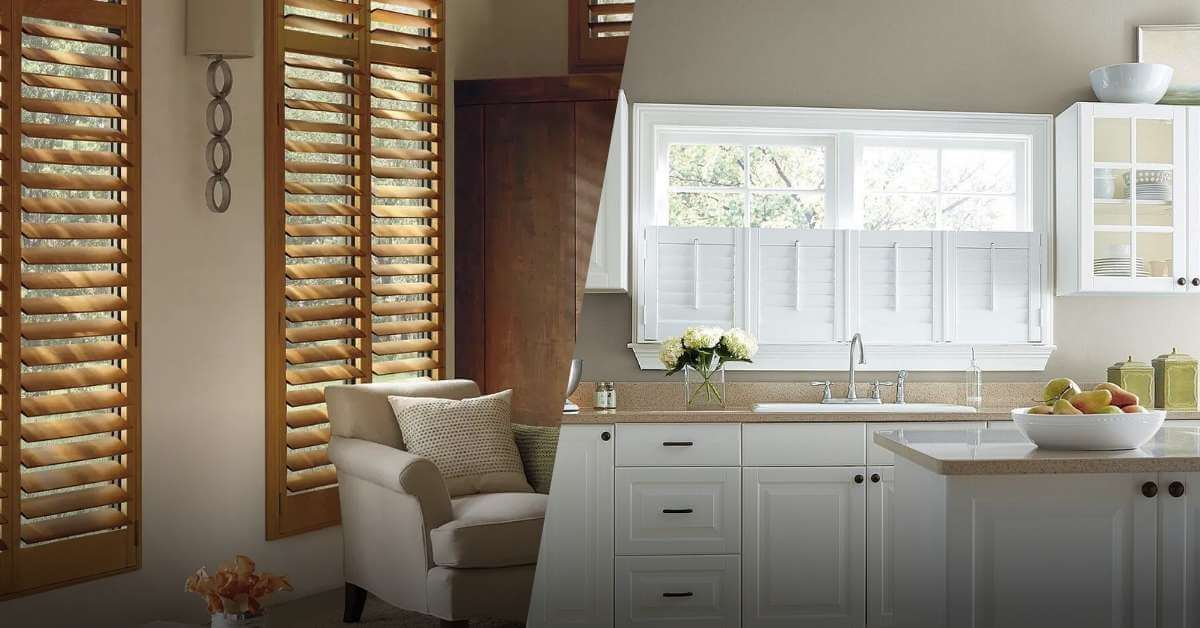
- Shutters: Provide excellent insulation due to their solid construction and tight fit within frames
- Cellular shades: Designed with air pockets to improve energy efficiency
- Roller shades: Help reduce heat but offer less insulation compared to cellular options
If your rooms feel too warm in the afternoon or lose heat quickly, both options can help—but cellular shades and shutters stand out the most.
Maintenance and Durability
No one wants window treatments that are difficult to maintain or wear out quickly.
Shutters
- Highly durable and long-lasting
- Easy to clean with a quick wipe
- Resistant to warping when made from quality materials
Shades
- Require more careful cleaning depending on fabric
- May show wear over time with frequent use
- Modern options include motorized systems for convenience
Customization and Functionality
Both shutters and shades offer custom solutions, but they differ in how they operate.
- Shutters: Fixed installation, manual adjustment of louvers
- Shades: Available with cordless, chain, or motorized controls
- More hardware and automation options with shades
If convenience and smart-home integration matter, shades may feel like the better fit.

Which One Should You Choose?
Choosing between shutters vs. shades depends on your priorities:
- Choose shutters if you want:
- Long-term durability
- Strong insulation
- A built-in, high-end look
- Choose shades if you want:
- Flexible light filtering or blackout options
- Softer aesthetics
- Motorization and modern functionality
Frequently Asked Questions about Shutters and Shades
1. Are shutters better than shades for insulation?
Shutters provide excellent insulation due to their solid structure, but cellular shades are also highly effective because of their air-trapping design.
2. Which is easier to maintain, shutters or shades?
3. Do shutters increase home value?
4. Are shades better for bedrooms?
5. Can both shutters and shades be customized?
Final Thoughts: Finding the Right Fit for Your Space
Deciding between shutters vs. shades isn’t about which is better—it’s about what fits your home and daily routine. If you’re dealing with too much sunlight, inconsistent privacy, or rooms that don’t feel quite finished, the right window treatment can make a noticeable difference. Both options bring value, but in different ways.
At MITS St. Louis, we help homeowners compare options side by side, so you can choose with confidence. Schedule a free consultation today and see how the right shutters or shades can transform your space into something more comfortable, functional, and visually complete.