
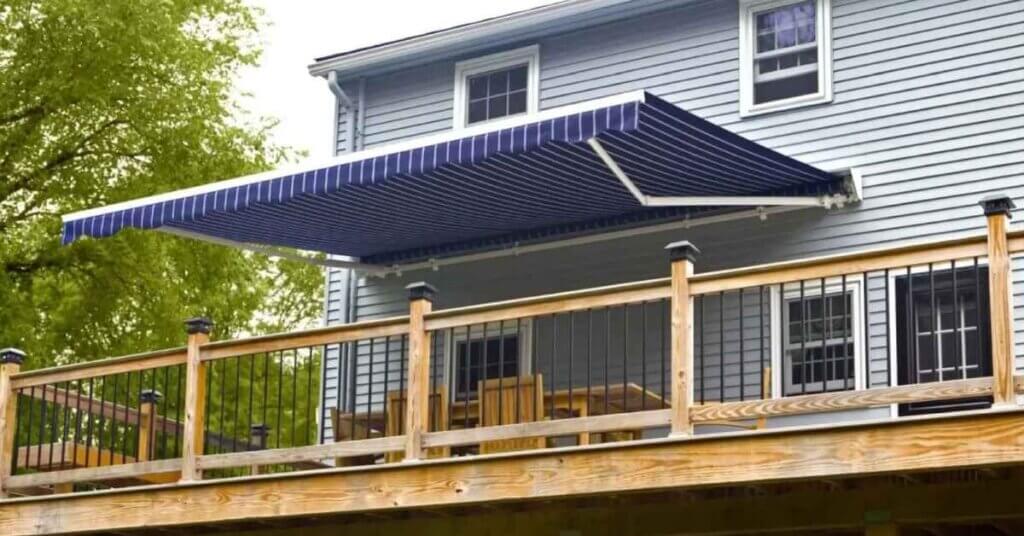
When outdoor comfort matters, your awning choice plays a bigger role than many homeowners realize. In the debate over retractable vs. manual awnings, both options provide shade and protection—but one consistently delivers more flexibility, efficiency, and long-term value. As patios and decks become true extensions of the home, retractable awnings increasingly stand out as the more future-ready investment.
If you want an outdoor space that adapts easily to changing sun, weather, and daily routines, it’s worth taking a closer look at how these two systems compare beyond the basics.
Understanding Your Awning Options
Before weighing investment value, it helps to understand how each awning type fits into everyday use.
Manual Awnings: Functional but Hands-On
Manual awnings operate using a hand crank or rod. Their straightforward design keeps mechanical complexity low and initial costs more manageable. For homeowners who use their patio occasionally or prefer a simple, traditional setup, manual awnings can provide dependable shade.
However, every adjustment requires physical effort. Extending or retracting the awning during sudden weather changes depends entirely on being home—and paying attention.
Retractable Awnings: Built for Convenience and Control
Retractable awnings use motorized systems and can include automation features such as sun, wind, or weather sensors. With the push of a button—or no input at all—the awning adjusts itself to maintain comfort and protect the structure.
This ease of operation is a major reason retractable awnings are often favored for larger patios, active backyards, and homeowners who value convenience without compromise.
Retractable

Manual Awnings

Retractable vs. Manual Awnings: Key Differences at a Glance
| Feature | Manual Awnings | Retractable Awnings |
| Operation | Hand crank | Motorized or automated |
| Daily Effort | Manual adjustment required | Effortless control |
| Weather Adaptability | User-dependent | Sensor-driven protection |
| Fabric Exposure | More constant | Reduced when retracted |
| Long-Term Value | Modest | Stronger overall return |
While both options provide shade, retractable awnings offer a level of adaptability that manual systems simply can’t match.
Cost vs. Value: Why Retractable Awnings Often Win
Looking Past the Initial Price
Manual awnings typically have a lower upfront cost, which can be appealing at first glance. Fewer components mean fewer immediate expenses during installation.
Retractable awnings involve a higher initial investment, but that cost brings measurable advantages—automation, reduced wear, and greater usability. When viewed over the lifespan of the awning, retractable systems often deliver more value per year of use.
Longevity Through Smarter Design
Because retractable awnings can be pulled in during high winds, heavy rain, or severe weather, they’re less exposed to the elements. That protection helps preserve fabric integrity, frame alignment, and overall durability.
Manual awnings can last well, but they depend heavily on consistent attention. Over time, the added protection of a retractable system often translates into fewer repairs and longer service life.
Everyday Convenience Is a Real Advantage
Ease That You Notice Every Day
Manual awnings require time and effort—especially on wider lateral systems. Over years of daily use, that extra effort adds up.
Retractable awnings simplify everything. Motorized operation allows quick adjustments, while automation ensures shade appears when the sun is strongest and retracts when conditions become unfavorable. That ease makes outdoor spaces more enjoyable, more often.
Designed for Modern Outdoor Living
As patios and decks become gathering spaces for dining, entertaining, and relaxing, flexibility matters. Retractable awnings adapt instantly to changing needs, making them a better fit for homeowners who actively use their outdoor areas throughout the day.

Weather Protection and Energy Efficiency
Better Control Over Sun and Heat
Both awning types help block solar heat, improving comfort and supporting cooling efficiency inside the home. Retractable awnings, however, give homeowners more control—allowing full sun during cooler periods and shade during peak heat.
This balance helps maximize comfort without sacrificing natural light.
Automatic Response to Weather Changes
Manual awnings require proactive monitoring. If the weather shifts suddenly, the awning stays exposed until someone retracts it.
Retractable awnings with sensors respond automatically, retracting during strong winds or storms. This feature not only protects the awning but also provides peace of mind when you’re away from home.
Installation and Maintenance Expectations
Professional Installation for Optimal Performance
Both manual and retractable awnings benefit from professional installation, ensuring proper mounting, pitch, and fabric tension.
Retractable awnings especially rely on precise installation to support smooth motor operation, sensor accuracy, and long-term reliability.
Maintenance Over Time
Manual awnings require basic upkeep, such as fabric cleaning and hardware checks. Retractable awnings may need occasional professional servicing, but their reduced exposure often offsets that requirement by minimizing fabric stress and weather-related wear.
Aesthetics, Comfort, and Added Home Appeal
A Cleaner Look When Not in Use
Retractable awnings preserve your home’s exterior appearance when retracted, maintaining clean architectural lines. Manual awnings create a more constant visual presence, which may not suit every home style.
For many homeowners, the ability to “hide” the awning when it’s not needed is a clear aesthetic advantage.
Stronger Appeal for Long-Term Value
Outdoor comfort has become a priority for many buyers. Retractable awnings often enhance perceived home value thanks to their modern features, automation, and versatility—qualities that align with how people live today.

Which Awning Is the Better Investment?
Manual awnings can be a practical choice for limited use or simple needs. However, when you factor in convenience, protection, durability, and adaptability, retractable awnings consistently come out ahead.
For homeowners planning to enjoy their outdoor spaces regularly and for years to come, retractable awnings offer a more complete, long-term solution.
FAQs About Retractable vs. Manual Awnings
Are retractable awnings really worth the higher upfront cost?
For many homeowners, they are. Retractable awnings offer automation, easier operation, and better protection from weather exposure. Over time, these benefits often translate into greater durability and fewer replacements.
Do retractable awnings require more maintenance?
They may require occasional professional servicing for motors or sensors, but they’re often less exposed to damaging weather. That reduced exposure can help fabrics and frames last longer than manual systems that stay extended.
Which awning type provides better overall value?
Retractable awnings generally provide better long-term value. Their convenience, efficiency, and ability to protect themselves from harsh conditions make them a stronger investment for most homes.
Make Your Outdoor Space Work Smarter
Your awning should enhance comfort—not add extra effort. When flexibility, protection, and long-term value matter, retractable awnings offer clear advantages.
Contact Made in the Shade St. Louis today to explore retractable awning options tailored to your patio, lifestyle, and local weather conditions. The right investment starts with expert guidance and a solution designed to last.