
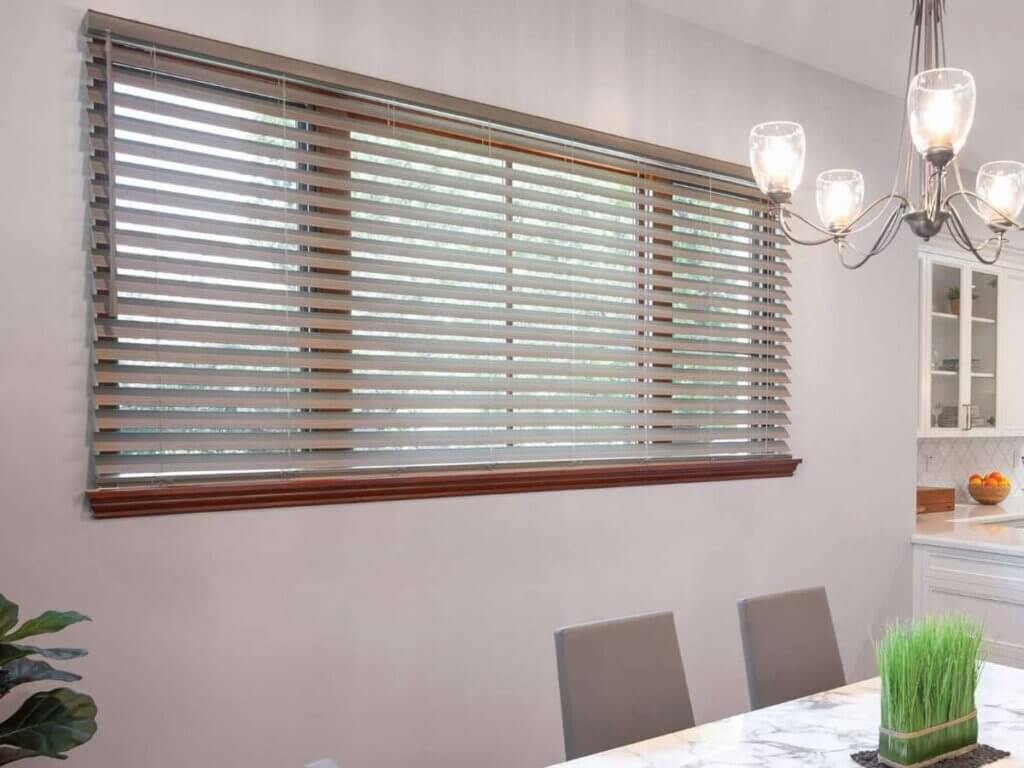
When homeowners start researching wood blinds, the price range can be confusing—and sometimes a little overwhelming. Two blinds may look similar online, yet their price tags differ dramatically. That’s because wood blinds vary widely in material quality, craftsmanship, customization, and long-term performance. Understanding what drives these differences helps you determine whether a product is truly worth the investment.
In this special guide, you’ll find clear, practical answers that help you evaluate both cost and value before making a purchase.
How Does Material Quality Impact the Long-Term Value of Wood Blinds?
Material quality is the foundation of wood blinds that stand the test of time. Lower-cost blinds may use softer woods or thin veneers over composite cores. These can warp, warp unevenly over time, or get damaged by moisture or humidity—especially if installed in rooms like kitchens, bathrooms, or sunlit living areas.
High-quality wood blinds are typically made of hardwood—such as basswood, alder, or poplar—with solid construction. This matters because hardwood resists warping, cracking, and fading better than cheaper alternatives. Over the years, quality wood blinds hold up with minimal maintenance.
Durable materials also maintain aesthetic integrity. The finish, grain, and texture of real wood age gracefully; some homeowners even remark that older hardwood blinds carry a “patina” that synthetic or lower-grade blinds can never replicate.
Because quality wood blinds last longer and look better over time, their true cost per year of service drops. For example, a more expensive hardwood blind that lasts 15–20 years may cost less per year than a cheaper blind that needs replacement after 5–7 years.
In short, investing in quality materials raises the upfront cost but delivers better long-term value in lifespan, appearance, and performance.
Real Wood vs. Faux Wood: Which Offers Better Value for Your Home?
When comparing real wood blinds to faux wood blinds, many homeowners focus on cost. But cost only tells half the story. That said, real wood blinds usually cost more than faux wood at the outset. Faux wood blinds, often constructed from composite or PVC-based materials, are priced lower and sometimes marketed as a budget-friendly alternative.
However, real wood offers tangible long-term value. It delivers superior aesthetic appeal, natural grain textures, and—in many cases—better durability. Real wood responds well to refinishing, repainting, or touch-ups over time. Faux wood, though resistant to moisture and warping, often lacks the character and richness that real wood brings to a home’s interior.
WOod Blinds

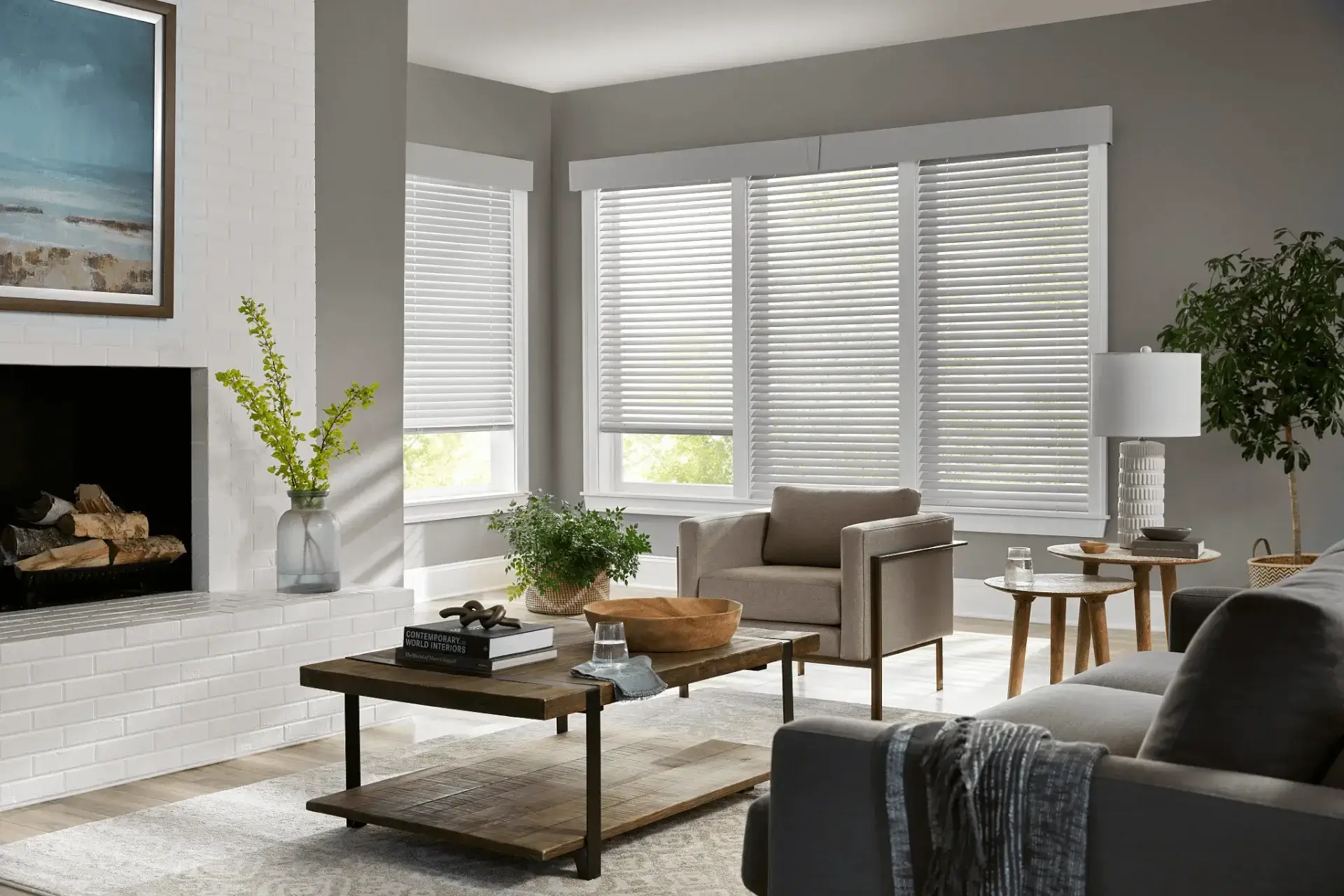
Faux Wood Blinds
What Premium Features Should You Consider for a High-Value Wood Blind Installation?
Beyond the wood itself, several premium features can significantly impact both the cost and long-term value of your wood blind installation. Here are some to consider:
- Custom finishes and stains: Selecting a custom stain or finish—to match trim, flooring, or cabinetry—increases cost but ensures a tailored, cohesive look.
- Cordless or low-profile lift systems: These modern mechanisms give a cleaner look and improve safety (especially around kids and pets). They often cost more up front, but they add value by enhancing ease of use, safety, and aesthetics.
- Double-treated or UV-resistant coatings: For rooms with lots of sunlight, upgraded coatings can prevent fading or warping, extending the lifespan.
- Precision craftsmanship and tight tolerances: Better-made blinds have smooth slat alignment, tighter seals, and more stable hardware—this prevents rattling, misalignment, or early wear.
- Premium mounting hardware and brackets: Higher-grade hardware stays secure over time, resists rusting or loosening, and contributes to overall durability.
While these features raise the initial investment, they add real value through improved functionality, longevity, and appearance. Over time, that value often outweighs the extra cost.
Is Custom Sizing Worth the Investment Over Ready-Made Wood Blinds?
Ready-made wood blinds may appeal because of their lower cost. They often come in standard window sizes and are less expensive off-the-shelf. But most homes have windows that don’t match those standard dimensions — especially older houses or those with unique architectural details.
When blinds don’t fit properly, you encounter problems. Gaps around the edges can let in excessive light, reduce privacy, and create a poor visual fit. Worse still, ill-fitting blinds can look amateurish and undermine the room’s overall aesthetic.
Custom-sized blinds, on the other hand, are built to the exact specifications of your windows. That precise fit ensures full coverage, optimal function, and clean, seamless integration with your window frames. This tailored fit not only improves usability but also elevates the perceived quality of the installation.
For homeowners serious about long-term value, investing a bit more in custom sizing almost always pays off — especially in irregularly sized windows or in rooms where appearance and performance matter most.

How Do Wood Blinds Affect Your Home’s Aesthetic and Potential Resale Appeal?
Wood blinds bring warmth, texture, and classic elegance to interior spaces. Their natural grain and rich finishes — especially when crafted from high-quality wood — complement everything from traditional to modern décor. The result is a refined, polished interior that feels thoughtfully designed.
Because wood is a premium material, prospective buyers and appraisers often view wood blinds as an upgrade over standard vinyl or basic blinds. In fact, homes with well-chosen, high-quality window treatments may stand out in resale value or staging photos.
Beyond resale, wood blinds can positively influence how you live in your home every day. Properly chosen blinds can help control light, enhance privacy, and contribute to the overall ambiance. A kitchen, bedroom, or living area dressed in rich wood blinds immediately feels more upscale and complete.
In short: well-executed wood blinds don’t just cover windows — they elevate rooms. That enhanced aesthetic and perceived value translate into tangible benefits if you ever decide to sell.
What Other Factors Can Affect the Final “Wood Blinds Cost” for Your Project?
While material quality, finish, custom sizing, and premium features are major drivers, a few additional factors can influence what you pay and the ultimate value you receive:
Factor | Impact on Cost & Value |
Number of windows/size of project | Larger projects often qualify for bulk pricing or volume discounts. But more windows = higher total cost. |
Installation complexity | Windows that are irregular, hard to reach, or require extra framing take more labor, raising costs. |
Local labor rates and supplier pricing | Regional differences in wood prices, labor, and availability can impact cost (important to households in St. Louis, MO). |
Warranty and service support | A longer or more comprehensive warranty can cost more but offers better protection against defects, warping, or wear over time. |
Environmental factors (humidity, sunlight exposure) | If your home has high humidity or lots of sun exposure, upgrades like UV-resistant coatings or moisture-resistant woods may be worth extra cost but add long-term value. |
Considering all these variables helps explain why two wood-blind installations may differ significantly in price — even if they look similar at first glance.
How do I know if wood blinds are right for my home’s environment?
If your home has high sunlight exposure, humidity, or heavy use — for example, frequent raising/lowering — choose quality hardwood with proper finish or UV-resistant coatings. For rooms with high moisture (like bathrooms or kitchens), you might consider alternatives—or ensure blinds are finished and sealed properly.
Where Cost Meets Long-Term Value: Your Next Step Toward Better Blinds
Understanding what shapes the final cost of wood blinds allows you to choose window treatments that perform better, last longer, and add value to your home. When you prioritize quality materials, expert craftsmanship, and proper fit, you get blinds that enhance daily comfort while aging gracefully over time. A thoughtful investment today can mean fewer replacements, better aesthetics, and improved resale appeal down the road.
If you’re ready to explore options tailored to your St. Louis home, MITS St. Louis is here to help. Schedule a free consultation and let our team guide you toward wood blinds that balance cost, durability, and timeless style.