
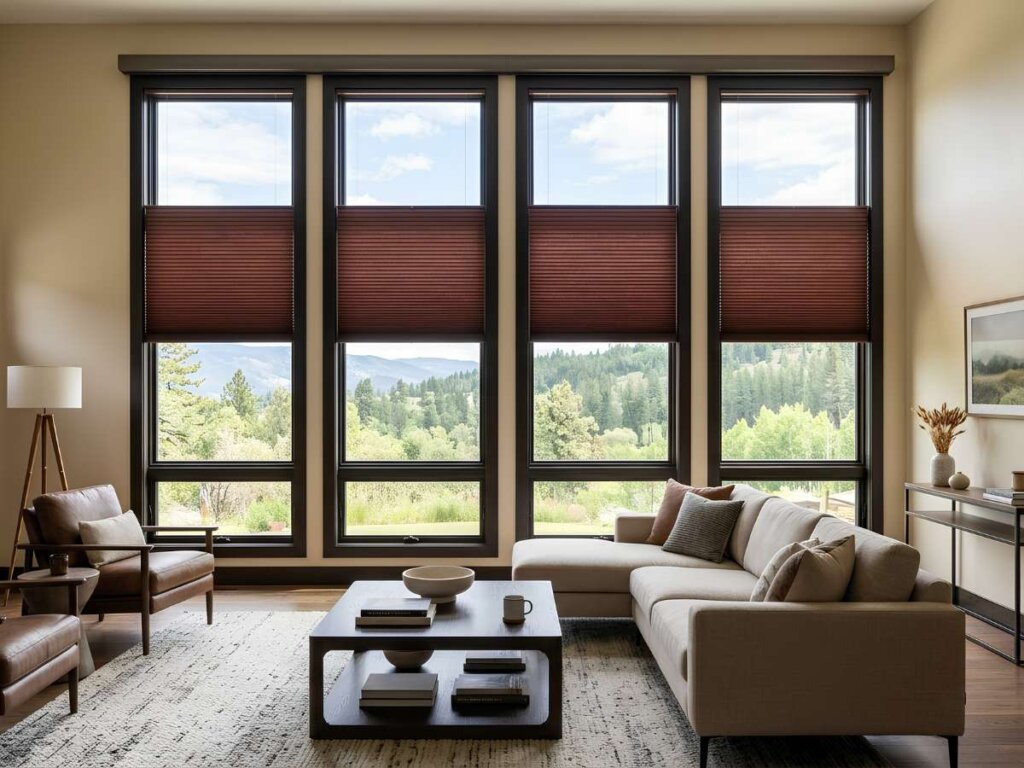
Motorized cellular shades combine insulating construction with simple automated operation. Their honeycomb-shaped pockets help reduce heat transfer around windows, while motorization lets you adjust several shades without walking from room to room. This combination offers a practical way to improve comfort throughout the year. It is especially useful in drafty homes and rooms with strong afternoon sun. It also simplifies light control for hard-to-reach windows and changing privacy needs.

How Cellular Shades Insulate Windows
Windows are often one of the most noticeable sources of indoor heat gain and heat loss. Even efficient windows can feel uncomfortable during winter or when direct summer sunlight enters the room.
Cellular shades are built with fabric cells that trap air between the window and the room. This layer of air helps slow temperature transfer, creating a more comfortable indoor environment.
Single-Cell and Double-Cell Designs
Cellular shades are available in different constructions. Single-cell shades provide a balance of insulation and a slim appearance. Double-cell options create an additional air pocket and may offer greater thermal protection.
The better choice depends on your window size, exposure, and insulation priorities. A professional consultation can help you compare the options without choosing a shade that feels too bulky for the space.

Why Add Motorized Operation?
Insulation works best when window treatments are adjusted at the right times. Motorized cellular shades make those adjustments easier, especially when your home has several windows or shades that are difficult to reach.
Compatible shades can be operated with a remote or wall control. Some systems also connect to a smartphone app or smart home platform. Available control methods vary by product and motorization platform.
Motorization is especially useful for:
- Tall windows and skylights
- Large groups of windows
- Bedrooms and nurseries
- West-facing rooms
- Homes with limited mobility needs
- Spaces where consistent shade positioning matters

Managing Comfort Automatically
One of the main benefits of motorized cellular shades is the ability to create schedules. Instead of remembering to adjust each treatment throughout the day, you can program compatible shades to respond to your routine.
During summer, shades can close before strong afternoon sunlight begins heating the room. In winter, they can open during sunny periods and close later to help retain indoor warmth. This does not replace the HVAC system, but it can support a more comfortable and efficient home.
|
Time or Condition |
Suggested Shade Position |
|
Bright summer afternoon |
Lower shades to reduce heat gain |
|
Sunny winter morning |
Open shades to allow natural warmth |
|
Winter evening |
Close shades to limit heat loss |
|
Bedtime |
Lower shades for privacy |
|
Morning routine |
Schedule shades to open gradually |

Choosing the Right Features
Not every cellular shade offers the same performance. Before purchasing, consider how the shade will fit your window and how you plan to operate it.
Fabric Opacity
Light-filtering cellular shades soften daylight while maintaining a bright atmosphere. Room-darkening materials provide greater coverage for bedrooms, media rooms, and other spaces where stronger light control is preferred.
Power Source
Motorized cellular shades may run on batteries or plug-in power. Hardwired systems are also available for certain installations. Battery-powered options can work well in existing homes because they often require fewer electrical changes. Hardwired systems may be worth considering during construction or a major renovation.
Custom Fit
Accurate measurements help limit gaps around the treatment and support smooth operation. Custom sizing is particularly important for wide windows, narrow openings, specialty shapes, and windows that are not perfectly square.
Are Motorized Cellular Shades Worth It?
Motorized cellular shades can be a worthwhile investment when convenience and insulation are both priorities. They are particularly helpful in rooms where shades need frequent adjustment or where manual operation is inconvenient.
They may cost more than manually operated shades, so consider where motorization will provide the greatest value. You may decide to motorize shades in high-use rooms while choosing manual cellular shades for smaller or less frequently used spaces.
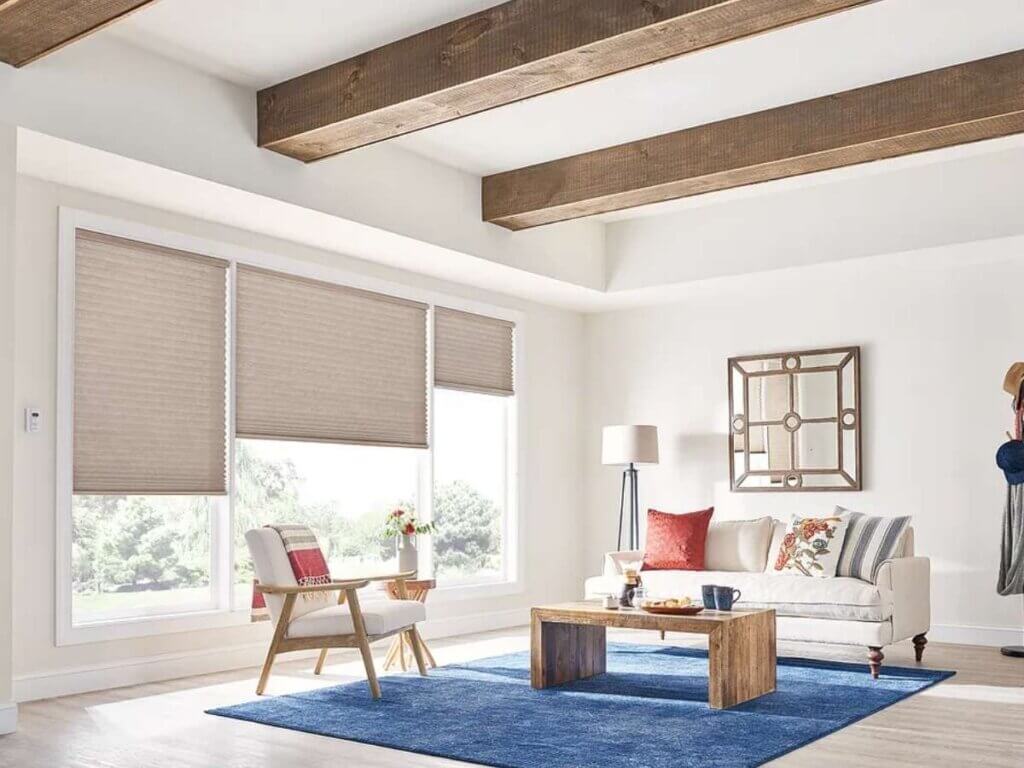
From improved insulation to flexible light control, cellular shades offer many benefits. This complete guide explains the pros, cons, and important factors to consider before you buy.
Frequently Asked Questions About Motorized Cellular Shades
1. Do cellular shades completely stop heat loss?
While cellular shades cannot eliminate heat transfer entirely, their honeycomb design creates an insulating air layer that can help improve comfort near the window. With the right fit and fabric, they can provide dependable support for year-round indoor comfort.
2. Can motorized cellular shades connect to a smart home?
Many systems can connect with compatible smart home platforms, apps, or voice assistants. Compatibility depends on the motor and control system selected.
3. How long do battery-powered shades last between charges?
Battery life depends on the size of the shade and the type of motor. How often you operate the shade and the battery system used will also affect how long each charge lasts. Your installer can explain the expected charging schedule for the specific product.
4. Are cellular shades suitable for large windows?
Yes, but wider windows may require reinforced components, multiple shades, or a specific motor. Custom recommendations help prevent strain and uneven operation.
5. Can I use cellular shades in every room?
Cellular shades work well in many areas, including bedrooms, living rooms, offices, and dining spaces. Rooms with high moisture levels may require materials specifically approved for those conditions.
Create a Smarter, Cozier Indoor Environment

Motorized cellular shades offer more than convenient operation. They can help manage sunlight, improve privacy, and support a more consistent indoor temperature without requiring constant manual adjustments. The right design should suit the amount of sunlight each window receives. It should also support your daily routine and preferred level of light control.
The right window treatments can make a noticeable difference in your home’s comfort every day. MITS St. Louis can help you compare cellular constructions, control options, and power sources with expert guidance. Schedule an in-home consultation to find motorized cellular shades that fit your windows and your routine.