
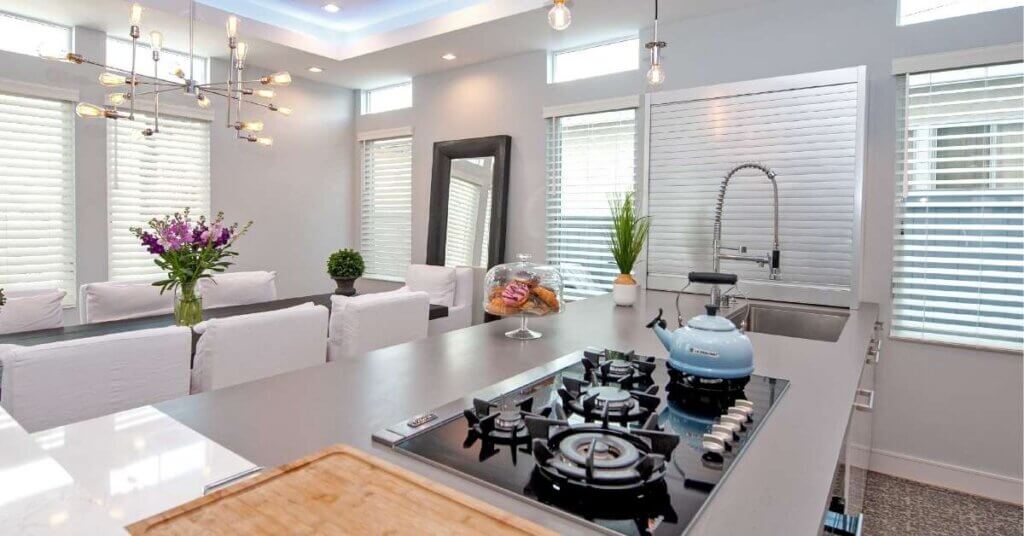
Faux wood blinds have become a top choice for homeowners who want the warmth of wood without the upkeep. This guide on faux wood blinds pros and cons explores everything you need to know before making a decision. We’ll break down their durability, maintenance needs, style variety, and performance in different environments—along with a few drawbacks worth considering.
From moisture resistance to energy efficiency, we’ll explore how they perform in everyday life. You’ll also learn how they compare to real wood blinds in terms of looks and function. By the end, you’ll have a clear picture of whether they’re the right window treatment for your home. Let’s dive in.
What Are Faux Wood Blinds?
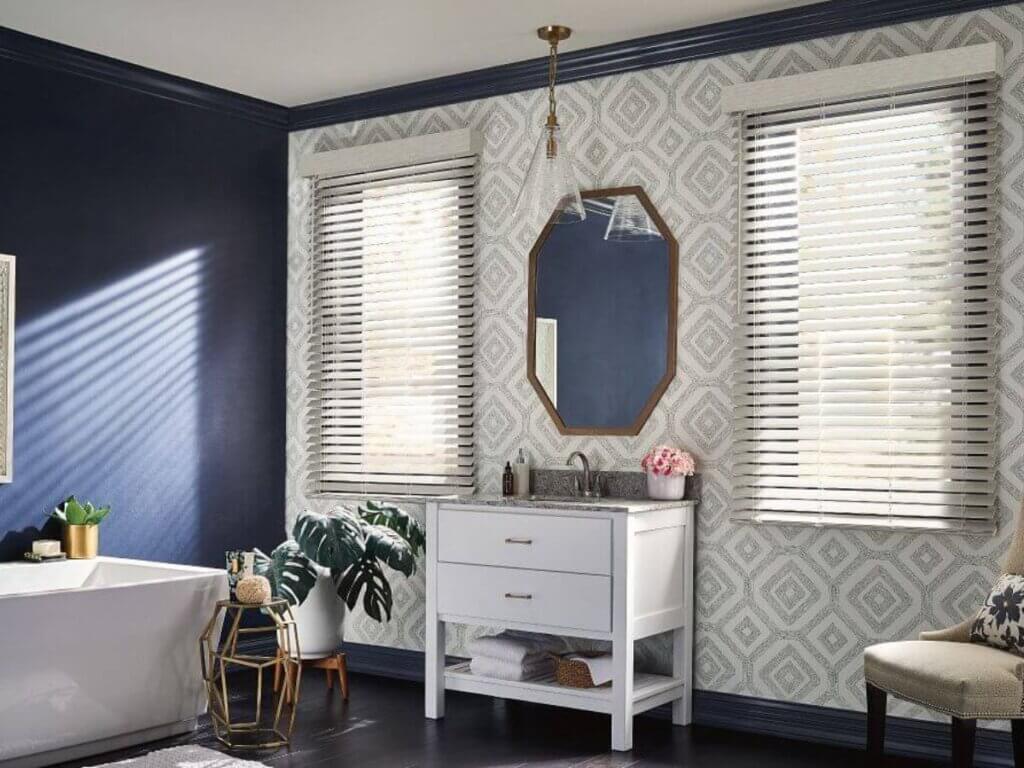
Faux wood blinds are window treatments made from PVC, composite materials, or a blend designed to mimic the look of natural wood. Their realistic wood-grain finishes make them almost indistinguishable from real wood blinds, but their engineered materials offer added durability and resistance to common household wear.
The Pros of Faux Wood Blinds
1. Moisture Resistant and Durable

Unlike real wood, faux wood blinds won’t warp, crack, or swell when exposed to humidity. This makes them ideal for kitchens, bathrooms, and laundry rooms where moisture is unavoidable. Their composite or PVC build also ensures they remain stable in St. Louis’s humid summers and cold winters.
2. Low Maintenance and Easy to Clean
Dust and spills wipe away easily with a damp cloth. They don’t require polishing or refinishing, so maintaining their appearance is simple and quick—a plus for busy households.
3. Affordable and Budget-Friendly
Faux wood blinds offer the look of real wood at a fraction of the cost. For homeowners who want high-end style without stretching their budget, they provide a cost-effective solution that doesn’t compromise on visual appeal.
4. Excellent Light Control and Privacy
Adjustable slats give you precise control over sunlight and privacy. They can be tilted to filter light softly or closed for complete coverage, making them versatile for any room.
5. Safe for Children and Pets
Cordless faux wood blinds eliminate dangling cords, reducing the risk of entanglement. This design feature adds peace of mind for households with kids or pets.
6. Energy Efficient and Insulating
When closed, faux wood blinds help insulate windows, keeping rooms cooler in summer and warmer in winter. This extra layer of insulation can support your home’s energy efficiency goals.
7. Variety of Styles, Colors, and Textures

From crisp white to rich walnut tones, faux wood blinds come in a wide range of finishes. Smooth or embossed wood-grain textures enhance their authenticity, providing flexibility in matching them to your interior design.
The Cons of Faux Wood Blinds
1. Heavier Than Real Wood
Faux wood blinds can be heavier than natural wood, which may require sturdier hardware and make them less ideal for very large windows.
2. Potentially Difficult Installation
Their added weight can make installation trickier compared to lighter window blinds. Professional installation is recommended to ensure proper support and operation.
3. Less Resistant to UV Damage and Fading
While they resist moisture well, prolonged exposure to direct sunlight can cause some fading over time. Choosing UV-protected finishes can help extend their lifespan.
Key Pros and Cons of Faux Wood Blinds
Factor | Pros | Cons |
Moisture Resistance | Won’t warp, crack, or swell in humid areas | Less breathable than natural materials |
Durability | Stands up to daily wear and temperature changes | Added weight can put strain on hardware |
Maintenance | Easy to clean with simple wiping | Requires regular dusting to avoid buildup |
Cost | Affordable option with high-end look | Lower resale appeal than real wood |
UV Resistance | Resists fading with proper finishes | Prolonged sun exposure may still cause fading |
FAQs About Faux Wood Blinds Pros and Cons
1. Are faux wood blinds suitable for all rooms?
Yes, their moisture resistance and durability make them versatile enough for every room, including high-humidity areas like bathrooms and kitchens. However, their weight might be a consideration for very large window spans.
2. How long do faux wood blinds typically last?
With proper care, they can last 7–10 years or more. Their resistance to warping, cracking, and moisture damage helps maintain both their appearance and functionality over time.
3. Can faux wood blinds help reduce energy costs?
Yes. When fully closed, they add an insulating layer to windows, helping reduce heat loss in winter and block heat in summer. This can support overall energy efficiency and potentially lower utility bills.
Upgrade Your Windows with Faux Wood Blinds
Faux wood blinds combine the timeless look of wood with modern practicality. Their moisture resistance, durability, and affordability make them a popular choice for many St. Louis homeowners. While their weight and potential for UV fading are worth noting, the benefits often outweigh the drawbacks for most living spaces.
Schedule a free in-home consultation with MITS St. Louis to explore faux wood blinds and other stylish window treatments that match your home’s needs.