

Blinds are more than a way to block sunlight—they can define how your space feels day to night. With so many styles available, narrowing down the right option can feel like navigating a maze of slats, materials, and mechanisms. If you’re unsure where to start, understanding the different types of blinds can help you match form with function in any room.
In this guide, we’ll focus on four of the most practical and widely used types: wood, faux wood, vertical, and aluminum blinds. Each has its own strengths, and the best choice often depends on your room’s layout, exposure to sunlight, and how you use the space.
Whether you’re updating one window or an entire home, finding the perfect fit starts with knowing what each style can offer.
A Closer Look at the Different Types of Blinds
Blinds can be both a design feature and a functional tool. Let’s break down four (4) key styles that offer a range of benefits for different rooms and lifestyles:
1. Wood Blinds: Rich Texture and Natural Appeal
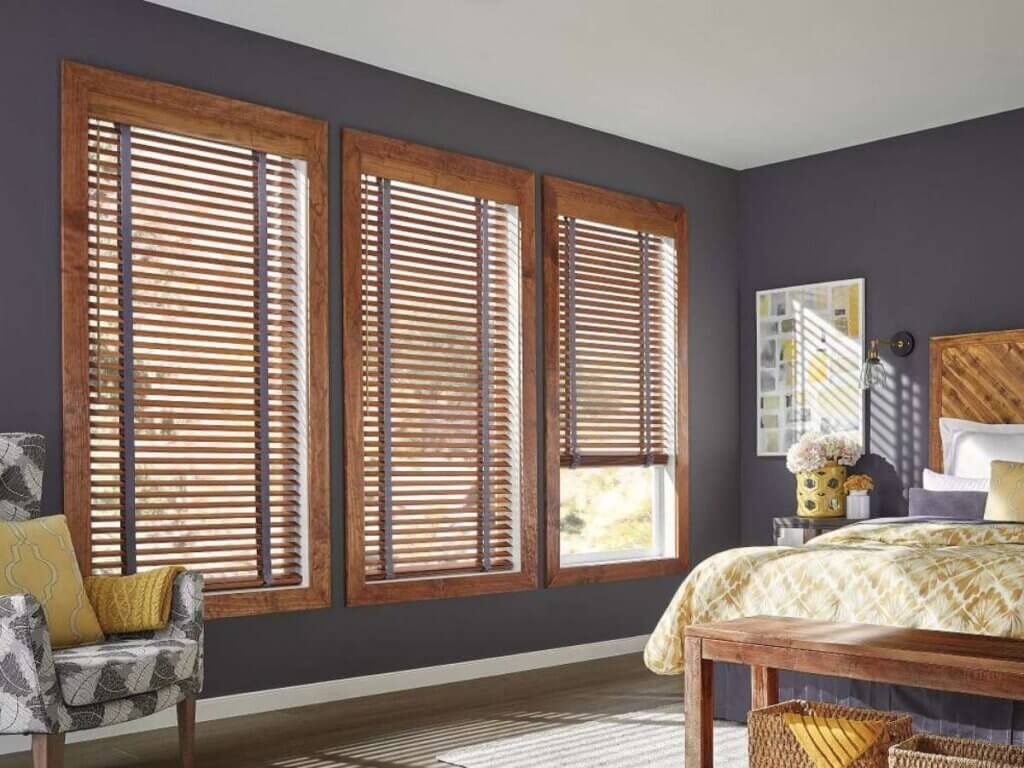
Wood blinds bring warmth and elegance to a room through real hardwood slats that add a sense of character and craftsmanship. They pair exceptionally well with traditional or rustic interiors and are often chosen for their timeless aesthetic.
Benefits of wood blinds:
- Excellent for rooms where moisture isn’t a concern
- Strong light-blocking capability with a natural look
- Adds texture and depth to more neutral color schemes
Best suited for: Living rooms, home offices, dining areas—anywhere you want a classic, inviting feel.
2. Faux Wood Blinds: Durable with a Classic Look

Faux wood blinds offer the same visual appeal as real wood but are crafted from composite materials that hold up better in humid or high-traffic spaces. They won’t warp or fade easily and are designed to perform in more demanding environments.
Benefits of faux wood blinds:
- Moisture-resistant and easy to clean
- Long-lasting and cost-effective
- Ideal for maintaining a consistent look throughout the home
Best suited for: Kitchens, bathrooms, laundry rooms, or spaces with intense sunlight and moisture exposure.
3. Vertical Blinds: Ideal for Large Openings

When you’re covering expansive windows or sliding glass doors, vertical blinds offer a clean, linear solution that’s both functional and stylish. They’re easy to operate and provide effective light and privacy control in open floor plans.
Benefits of vertical blinds:
- Smooth operation for large or tall windows
- Directional slats reduce dust accumulation
- Available in a range of textures and neutral tones
Best suited for: Patio doors, sunrooms, large living areas, and open-plan designs.
4. Aluminum Blinds: Sleek, Lightweight, and Functional

Aluminum blinds are a minimalist favorite for their slim profile and straightforward operation. These blinds offer excellent durability and are ideal for rooms where you want dependable performance without visual bulk.
Benefits of aluminum blinds:
- Easy to adjust and clean
- Strong resistance to everyday wear and tear
- Affordable and versatile
Best suited for: Home offices, utility rooms, garages, or rental units that need practical, long-lasting window coverings.
How to Choose the Right Blind for Your Space
Every blind type brings something different to the table—but how do you know which is right for you? Start by thinking about how you use the room. If you want warmth and visual depth, wood or faux wood blinds might be ideal. For wider openings, vertical blinds can simplify function without sacrificing style. And for cost-effective durability, aluminum blinds make a strong case.
Here are a few key factors to consider:
- Light control: How much natural light do you want to block or filter?
- Privacy: Do you need complete coverage or a layered approach?
- Environment: Will the blinds be exposed to moisture, heat, or heavy use?
- Style preferences: Do you lean modern, traditional, or somewhere in between?
FAQs: Choosing from Different Types of Blinds
1. What are the easiest blinds to maintain?
Faux wood and aluminum blinds are typically the easiest to maintain. Both materials resist dust and can be wiped clean with a damp cloth. They’re ideal for busy households or areas where frequent cleaning is necessary.
2. Are vertical blinds only for sliding doors?
Not at all. While vertical blinds are commonly used on sliding glass doors, they’re also great for large windows or spaces with wide spans. Their vertical structure makes them more manageable than wide horizontal blinds and offers excellent control over sunlight.
3. Can I mix different types of blinds in my home?
Yes, you can mix blind types to suit each room’s function and design. For example, you might use wood blinds in the living room for warmth and switch to aluminum blinds in the garage or faux wood blinds in the bathroom. Keeping color tones and finishes consistent can help everything feel cohesive.
Ready to Find the Right Blinds?
Choosing the right window treatment is easier when you know what each option brings. At Made in the Shade St. Louis, we’re here to help you explore the different types of blinds and find the best match for your style and needs.
Book a consultation with us today to discover how our expertly designed blinds can transform your space with ease and confidence.