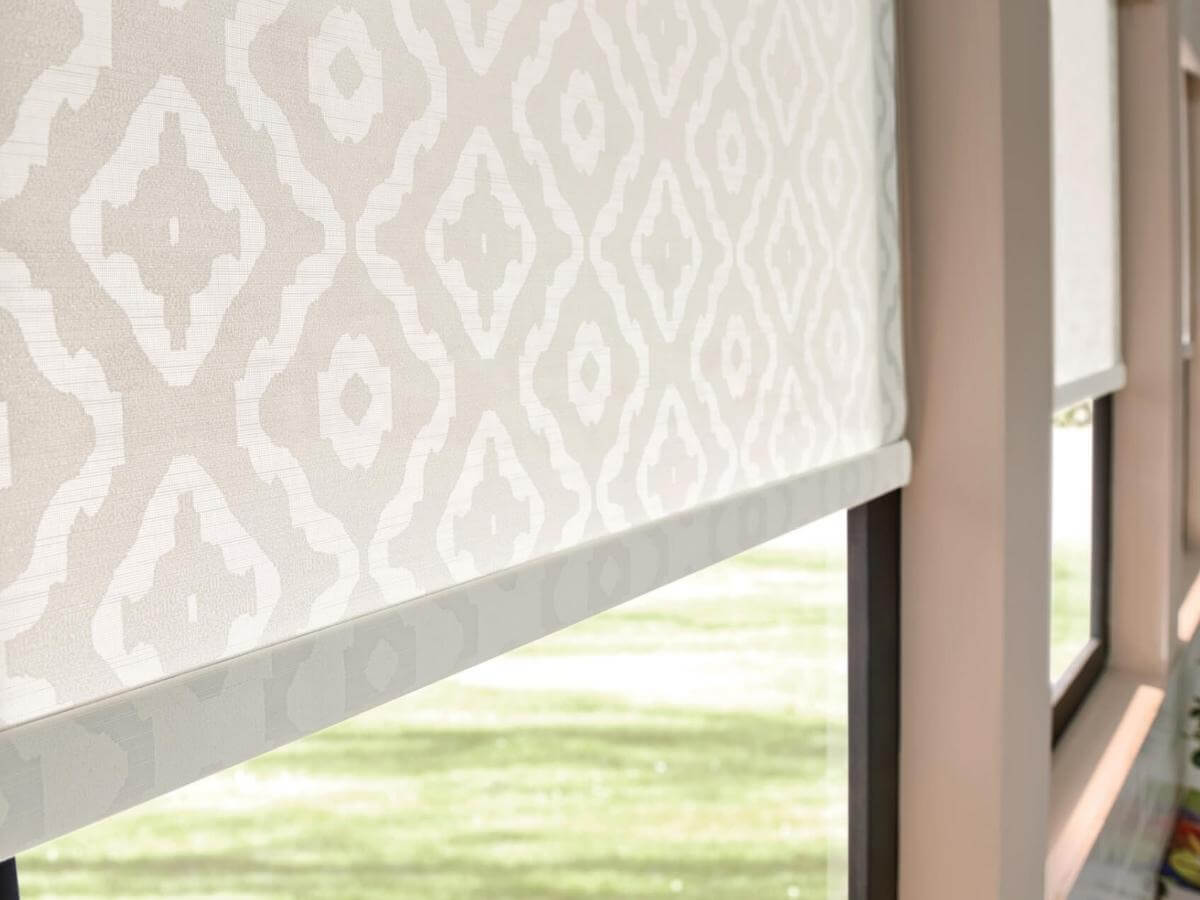

Choosing the wrong shades can leave you paying for features that do little to solve what bothers you about your windows. Cellular shades focus on insulation through honeycomb construction, while roller shades offer more flexibility in fabric and light control. This cellular shades vs. roller shades comparison shows where each option performs best so you can invest in the right treatment for your home.
Cellular Shades vs. Roller Shades at a Glance

Both treatments use fabric to cover a window, but their construction creates clear performance differences.
|
Feature |
Cellular Shades |
Roller Shades |
|
Construction |
Honeycomb cells |
Single fabric panel |
|
Insulation |
Strong |
Varies by fabric |
|
Light control |
Filtering or blackout |
Broad fabric selection |
|
Privacy |
Strong with proper fabric |
Depends on material |
|
Style |
Soft and structured |
Simple and modern |
|
Operation |
Cordless or motorized |
Cordless or motorized |
|
Maintenance |
Requires careful cleaning |
Easy to dust |
|
Typical costs |
Often higher |
Wide price range |
Energy Efficiency and Insulation
Cellular shades use honeycomb pockets that trap air between the room and window. This design creates an insulating barrier that can reduce heat transfer and improve thermal comfort.
This can help rooms feel more comfortable through seasonal temperature changes and support better energy efficiency. Roller shades lack insulating air pockets, though heavier fabrics can still help reduce solar heat gain.
That insulating advantage is part of a bigger picture — our guide ranks the top 5 most efficient options. Read it here.
Light Control, Blackout Options, and Privacy
Both treatments can provide effective light control, but fabric selection matters. Cellular shades come in light-filtering and blackout options, which makes them suitable for bedrooms or other spaces where room darkening matters.

Roller shades offer a particularly broad fabric selection. Solar fabrics can reduce glare and UV exposure while preserving some outdoor visibility. Blackout roller fabrics provide greater room darkening when properly fitted.
Privacy also depends on opacity. Some light-filtering fabrics provide useful daytime privacy but become less private at night when interior lights are on.

Style and Everyday Use
Roller shades have a streamlined profile that suits modern interiors and keeps large windows from feeling visually heavy. Cellular shades have a softer pleated appearance and stack compactly when raised.
Both offer cordless operation, while motorized systems simplify hard-to-reach windows. This flexibility is worth considering when you need to operate several windows throughout the day.
Durability, Noise, and Maintenance

Roller shades are relatively simple to maintain. Many durable fabrics can be dusted or spot-cleaned according to the manufacturer’s instructions.
Cellular shades require more careful cleaning because dust can settle around the honeycomb cells. Their layered construction may help reduce some noise, but they should not be treated as soundproofing.
Comparing Costs
Costs depend on window size and fabric choice. Your operating system and other custom features can also affect the final price.
Roller shades often suit a wider range of budgets because of their extensive fabric selection. Cellular shades may cost more with enhanced insulating construction or specialty materials, but the added expense can make sense when thermal comfort is a priority.
Frequently Asked Questions About Cellular and Roller Shades
Can cellular or roller shades be installed on doors?
Yes. Certain configurations work on French doors when enough mounting space is available. Professional measurement can determine whether the shade will interfere with handles or door operation.
Can these shades fit unusually shaped windows?
Standard versions generally suit rectangular openings. Some manufacturers offer cellular configurations for arches or specialty shapes, depending on the window and product line.
Can roller or cellular shades be layered with curtains?
Yes. Either shade can provide functional coverage while curtains add a decorative layer. This also gives you more flexibility with room styling.
How long do custom cellular and roller shades usually last?
Lifespan varies based on product quality and usage. Frequent operation adds wear over time, while proper installation and routine care can help extend performance.
Can I replace the fabric without replacing the entire shade?
It depends on the system. Some roller products allow the fabric or individual components to be replaced, while others require a new treatment. Ask about serviceable parts before ordering.
Make the Right Choice for Your Windows

A shade that looks good but falls short on insulation or light control can quickly become an expensive disappointment. Cellular shades and roller shades offer different advantages, so your final choice should reflect how each window affects the comfort and function of the room. Custom sizing also helps you get the intended performance without relying on a one-size-fits-all solution.
Made in the Shade St. Louis is the trusted local source for premium cellular shades and roller shades throughout St. Louis and surrounding communities. See your options in your own space, compare fabrics with expert guidance, and have every window professionally measured before you order. Schedule your free in-home consultation today and get custom cellular or roller shades designed around your home.